
 15 uren geleden
1
15 uren geleden
1

US and Israeli attacks on Iran have already caused petrol prices to soar in the Netherlands. But Rabobank researchers claim Dutch consumers are yet to feel the full extent of inflation.
The geopolitical uncertainties connected to the war in the Middle East are driving up prices nationwide. As the Netherlands is still recovering from the energy crisis of 2022, economist Jan-Paul Van de Kerke of the ABN AMRO research agency now expects the current inflation rate of 2,4 percent to increase further. “The most likely scenario is that inflation in our country will go towards 3 percent,” says Van de Kerke in a report by NOS.
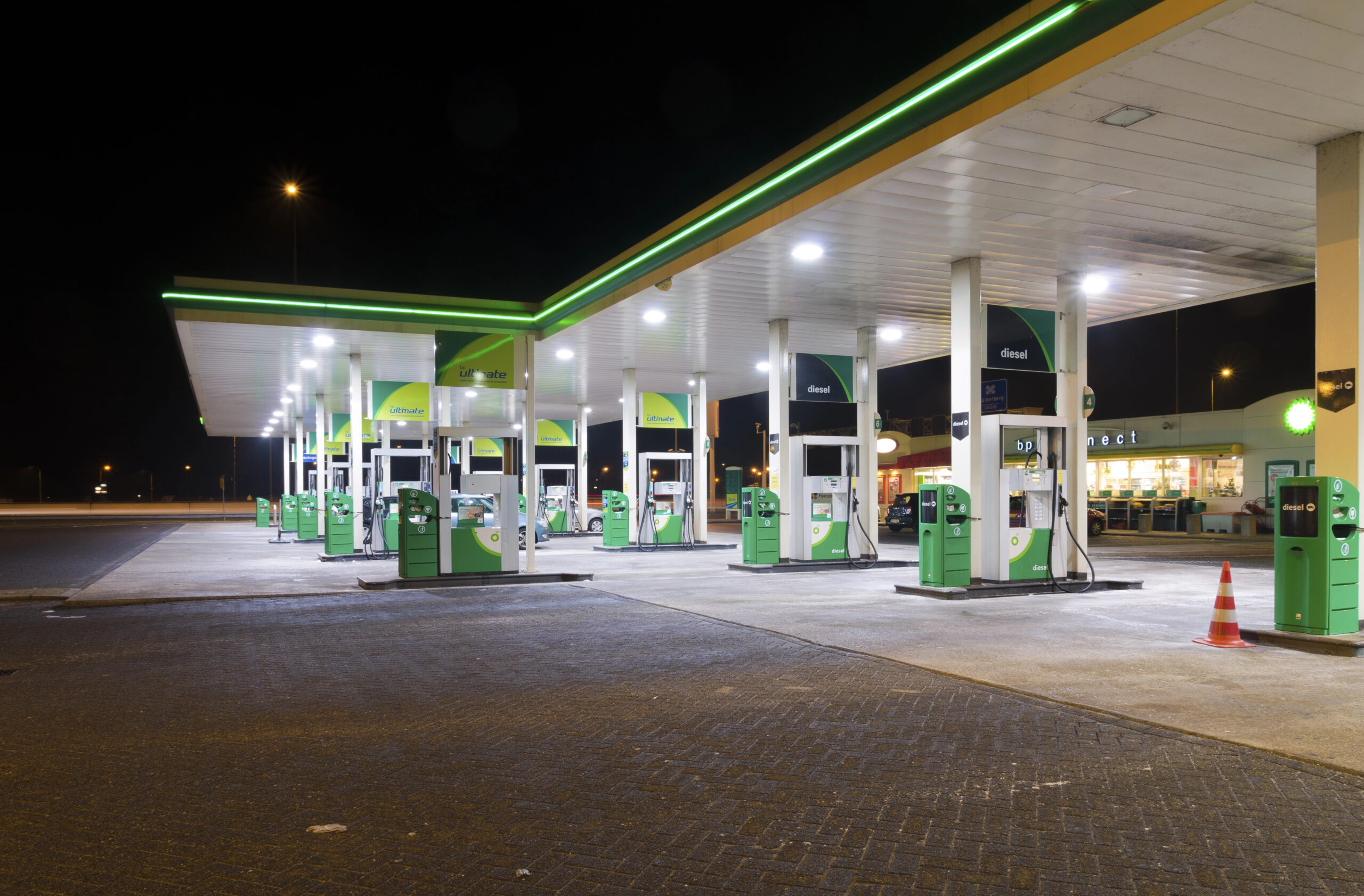
Since the US and Israeli attacks on Iran, recommended prices for both diesel and euro95 have broken the 2,50 euro mark. Further data by the European Commission has determined the Netherlands to have the highest petrol prices in Europe, with 10,40 euros per 100 kilometres. As Dutch drivers are heading to Belgium and Germany to stock up on fuel for slightly lower prices, the consequences of the conflict go beyond gas prices.
According to NOS, calculations by the mortgage advisor Van Bruggen suggest home buyers may pay an additional 30 euros per month on their mortgage. While interest rates had been in decline before, those for mortgages with a fixed-rate period of 10 years have jumped from 3,7 percent to 3,85 percent since the beginning of March. Leading mortgage providers such as ABN AMRO, Argenta, Obvion and Munt Hypotheken have announced similar growth in the last week.
Further inflation in the Netherlands
RaboResearch, a division of the Rabobank that analyses economic development in the Netherlands, expects costs to gradually rise further over the next two years. Inflation is not restricted to energy and fuel prices, but will extend to all economic sectors.
Chief economist of RaboResearch, Hugo Erken, has suggested that consequences for Dutch consumers will be delayed. “After three months, [we will] see the first effects in industrial products such as steel. The price is gradually rising, because first transport becomes more expensive, then things that contain steel, such as washing machines and game consoles and eventually wages increase,” Erken explained in a report by NOS.
"Trade unions will likely put an additional wage demand on the table during the collective bargaining negotiations in the near future," he says. "Those higher wages have to be paid by the employer, and that ends up on the consumer's plate in the form of products becoming more expensive."
Predictions on inflation rates have been limited to the next 21 months. Researchers are refraining from drawing further conclusions due to the uncertainty connected to the war. However, they do anticipate energy prices to slowly return to normal, as they did after the peak in 2022.
Future measures to limit inflation
While other European countries have already taken action to restrict rising costs for consumers, the Dutch government is hesitant to implement measures at the expense of taxpayers. As of Friday, Prime Minister Rob Jetten still considered the situation too uncertain to implement de-escalating policies. First, it would have to be determined whether price increases are structural.
While the cabinet is working on reopening the emergency energy fund to relieve low-income households, the opposition is calling for more action. GroenLinks-PvdA and SP have demanded a limit to fuel prices to protect consumers from increasing prices set by large corporations, explained NOS.



/s3/static.nrc.nl/wp-content/uploads/2026/03/24163835/240326BUI_2032497077_donetsk.jpg)
/https://content.production.cdn.art19.com/images/c9/bc/f2/f2/c9bcf2f2-f4ad-4852-804e-eee39cee1cb1/1eeff8192a7ba66faac83b8053d45fc3390ffc0e1567efebd8bb9331fc45a9d75942472d14bc188f0fe5054fb3c93827d45a58d40518f07b3fb17e10383d1930.jpeg)
/s3/static.nrc.nl/wp-content/uploads/2026/03/24125521/240326VER_2032505826_1.jpg)
 English (US) ·