
 5 uren geleden
1
5 uren geleden
1

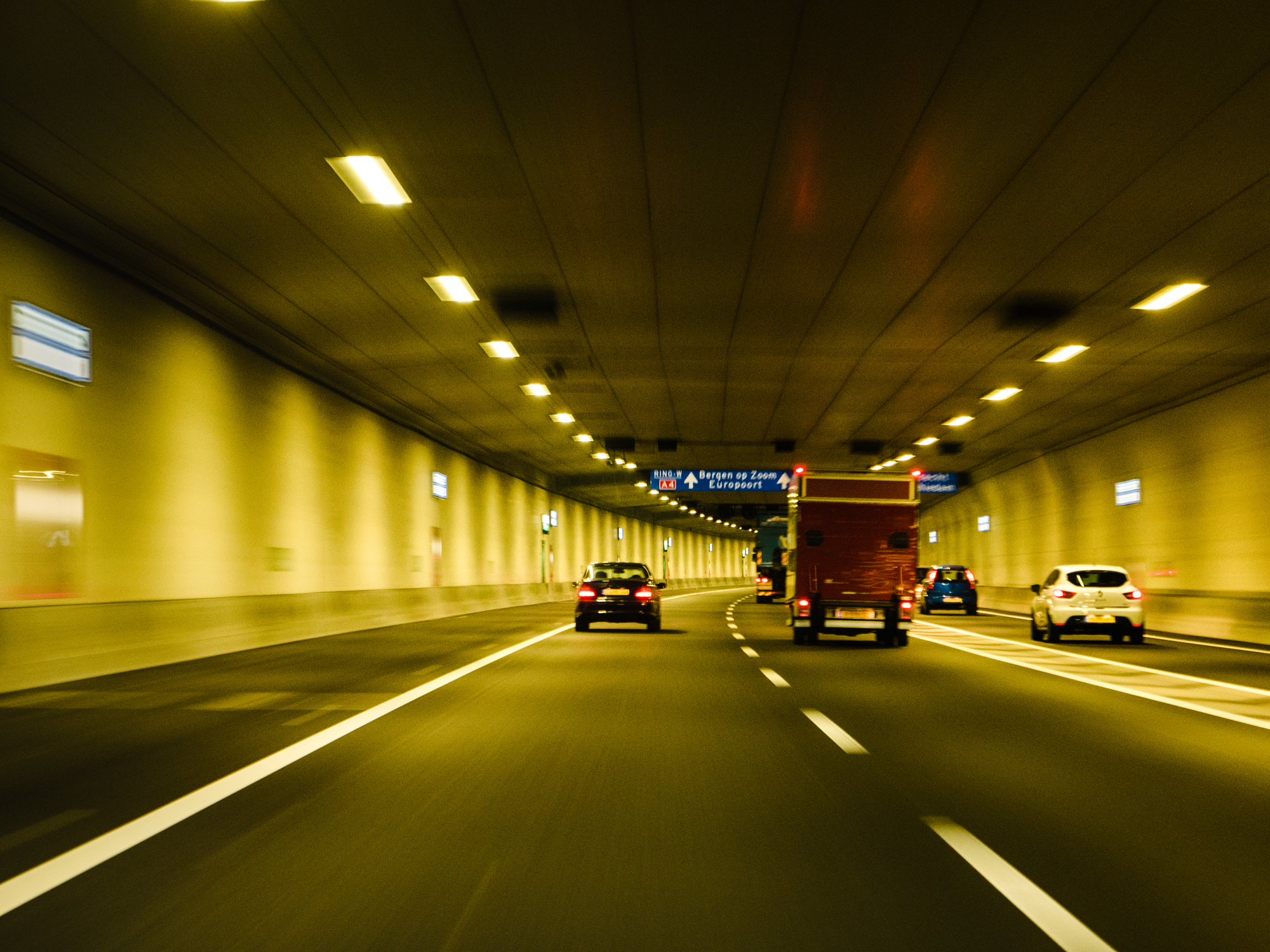 Photo: Depositphotos
See more DutchNews articles in your Google search results
See more DutchNews articles in your Google search results
Add as a favourite source on Google Add DutchNews as a favourite source on Google
The Netherlands’ first “digital only” toll tunnel breaches accessibility laws and has led to motorists paying excessive penalties when they fail to pay on time, the national ombudsman has said.
Reinier Zutphen also said the signage at the Blankenburg connection, which carries traffic on the A24 beneath the Nieuwe Maas near Rotterdam, was confusing for drivers, putting them at risk of a fine for non-payment.
The road was opened in December 2024 with no toll barriers. Instead cameras record car registrations and motorists have three days to pay the toll fee online. They can also pay up to seven days in advance or by using the automatic payment system.
Hundreds of thousands of fines have been issued since the tunnel opened, with a €9 fee for the first reminder and a €35 fine if the toll is still not paid within two weeks.
The initial reminder fee was introduced by infrastructure minister Vincent Karremans after the tunnel made a €10 million loss in its first year, even though the tolls were devised to pay off the construction costs within 25 years.
In a letter to Karremans, Van Zutphen said the fee was “disproportionate” for a one-way toll of €1.57. Some drivers have been charged twice if they made a return journey on the same day and failed to pay in time.
No paper alternative
But his strongest criticism was for the system itself, which Van Zutphen said rules that require the government to create a paper alternative to digital payment systems. Some 25% of people in the Netherlands do not have the means to make online payments.
He rejected the government’s argument that motorists are free to use other routes and accept the terms of the toll tunnel by driving through it. Van Zutphen pointed out there is no viable alternative route, especially when other roads are closed.
“If someone cannot use a public service because the system can only be operated digitally, that is not freedom of choice but exclusion,” he said.
The introduction of the fees has meant more tolls are paid on time, Van Zutphen noted, but the government is still sending out 20,000 reminders a week.
Last year the tolls raised €25 million while the operating costs were €35 million – nearly half the estimated cost of €62 million but not enough to prevent the tunnel running at a loss.
Drivers of foreign registered vehicles can escape paying the toll altogether because the government is unable to trace their owners. The e-tol payment system cannot be linked to the police database used to reclaim fines for traffic offences.
Thank you for donating to DutchNews.nl.
We could not provide the Dutch News service, and keep it free of charge, without the generous support of our readers. Your donations allow us to report on issues you tell us matter, and provide you with a summary of the most important Dutch news each day.

/s3/static.nrc.nl/wp-content/uploads/2026/06/23122459/230626ECO_2034686616_AIrechtszaak.jpg)
/s3/static.nrc.nl/wp-content/uploads/2026/06/23142900/230626ECO_2034691178_thuiswerken.jpg)

/s3/static.nrc.nl/wp-content/uploads/2026/06/20193228/200626SPO_2034269133_brobbeyscoort03.jpg)




 English (US) ·